Guide
Tesla Brake Upgrade Guide: Pads, Calipers & Caliper Covers
When a Tesla brake upgrade is actually worth it — ceramic performance pads, cosmetic caliper covers vs real big brakes, and why regen braking changes how Tesla brakes wear.
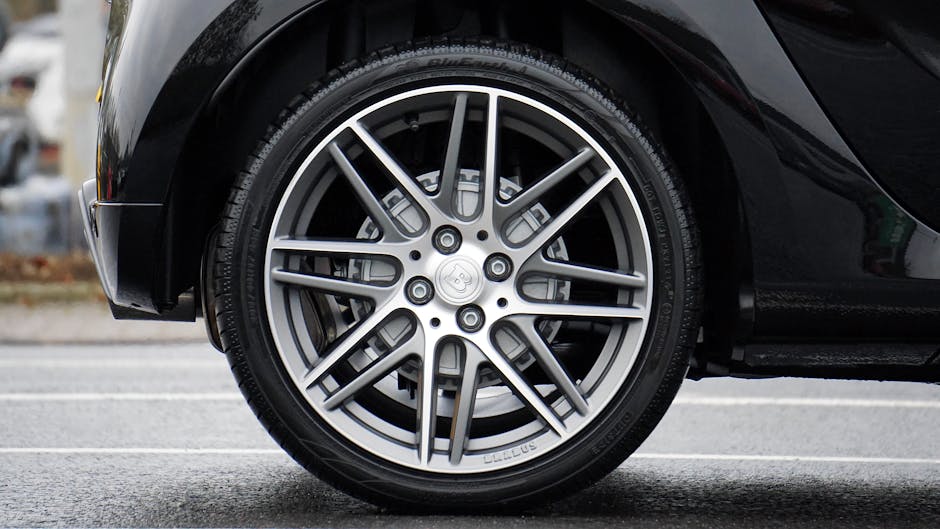
Teslas brake differently from gas cars. Regenerative braking does most of the slowing, so the friction brakes barely get used in daily driving. That changes what a brake "upgrade" actually means for an EV owner. Before you spend money chasing big-brake looks, know what your car needs versus what just looks fast.
What a Tesla Brake Upgrade Really Means
| Upgrade | What it does | Cosmetic or functional | Install | Relative cost |
|---|---|---|---|---|
| Ceramic brake pads | Less dust, better fade resistance | Functional | Advanced | $ |
| Caliper covers | Change the look of the caliper | Cosmetic only | Moderate | $ |
| Big-brake kit | Larger rotors and calipers | Functional | Professional | $$ |
| Jack pad pucks | Protect battery when lifting | Tool, not an upgrade | Easy | $ |
Why Regen Means Slow Pad Wear But Real Rust Risk
Because regen handles most deceleration, Tesla pads and rotors can last far longer than on a comparable gas car. The flip side is underuse. Rotors that rarely see hard friction can develop surface rust, and in wet or salty climates the calipers themselves can begin to seize. The real Tesla brake problem usually is not worn-out pads, it is corrosion from brakes that almost never work hard.
The simple fix is free: occasionally do a few firmer-than-normal stops on a clear, dry road to scrub the rotors clean. This matters more than any part you can buy. If you do drive hard enough to cook your brakes, slotted & drilled rotors shed heat better than the smooth factory discs, though fitting them is shop-level work.
Ceramic Pads: The One Functional Upgrade Worth It
If you are going to upgrade anything, ceramic brake pads are the pick that actually changes how the car performs and looks day to day.
- Less dust: ceramic compounds shed far less of the dark dust that coats wheels, so your rims stay cleaner.
- Better fade resistance: if you drive aggressively, tow, or live in hilly terrain, ceramics hold up better under repeated heat.
- Quieter, smoother bite: many owners prefer the feel over factory pads.
For most owners who track or drive hard, pads are enough. The bigger functional jump is a matched performance brake kit that pairs upgraded pads with drilled/slotted rotors, but it is advanced shop work and only worth it if you are genuinely on a circuit and overheating the stock setup.
Caliper Covers: Looks, Not Stopping Power
Here is the honest part. Brake caliper covers are purely cosmetic. They snap or clamp over your existing caliper to give a painted big-brake appearance. They do not improve braking, cooling, or fade at all.
They are fine if you want the look, but install them carefully:
- Confirm clearance so the cover never contacts the rotor or wheel.
- Make sure they are clipped securely, since a loose cover near a hot rotor is a real hazard.
- Accept that they trap some heat, so skip them if you genuinely track the car.
Do not confuse covers with a real big-brake kit. One is paint over your stock part, the other is new hardware.
Doing the Work Safely
Any brake job means lifting the car, and Teslas have a battery pack under the floor. Use proper jack pad lift pucks at the factory jack points so your jack never presses on the pack or pinches a seam. It is a few dollars of insurance against expensive damage.
Before You Buy
- Decide whether you want performance (pads) or just looks (covers); they are not the same purchase.
- Scrub your rotors with occasional hard stops to fight rust before assuming you need parts.
- Check fitment for your exact model and wheel size, especially for covers.
- For modding strategy, see our top Tesla performance mods guide.
- Have a shop install anything you are unsure about, particularly near the brakes.
Last updated: June 2026
EV Drip may earn a commission if you buy through links on this page, at no extra cost to you. Our editorial work is research-based unless a page documents a hands-on test.
Frequently Asked Questions
Do caliper covers actually improve braking on a Tesla?
No. Caliper covers are purely cosmetic. They clip over your existing calipers to mimic a big-brake look but add no stopping power, cooling, or fade resistance. Install them carefully so they never contact the rotor or wheel, and skip them if you track the car, since they can trap heat.
Why do Tesla brakes rust or seize if regen makes them last so long?
Regenerative braking handles most slowing, so the friction brakes are rarely used hard. That underuse lets rotors develop surface rust and, in wet or salty climates, lets calipers seize. The fix is free: do a few firmer-than-normal stops on a clear, dry road now and then to scrub the rotors clean.
Are ceramic brake pads worth it on a Tesla?
For most owners, yes. Ceramic brake pads shed far less wheel dust, resist fade better under repeated heat, and often feel smoother than factory pads. They are the one functional brake upgrade most owners actually benefit from; a full big-brake kit is only worth it for genuine track use.
Do I need anything special to lift my Tesla for a brake job?
Yes. Teslas have a battery pack under the floor, so use proper jack pad lift pucks at the factory jack points. They keep your jack off the pack and away from the pinch seams, preventing expensive damage during a brake job.
Related Products
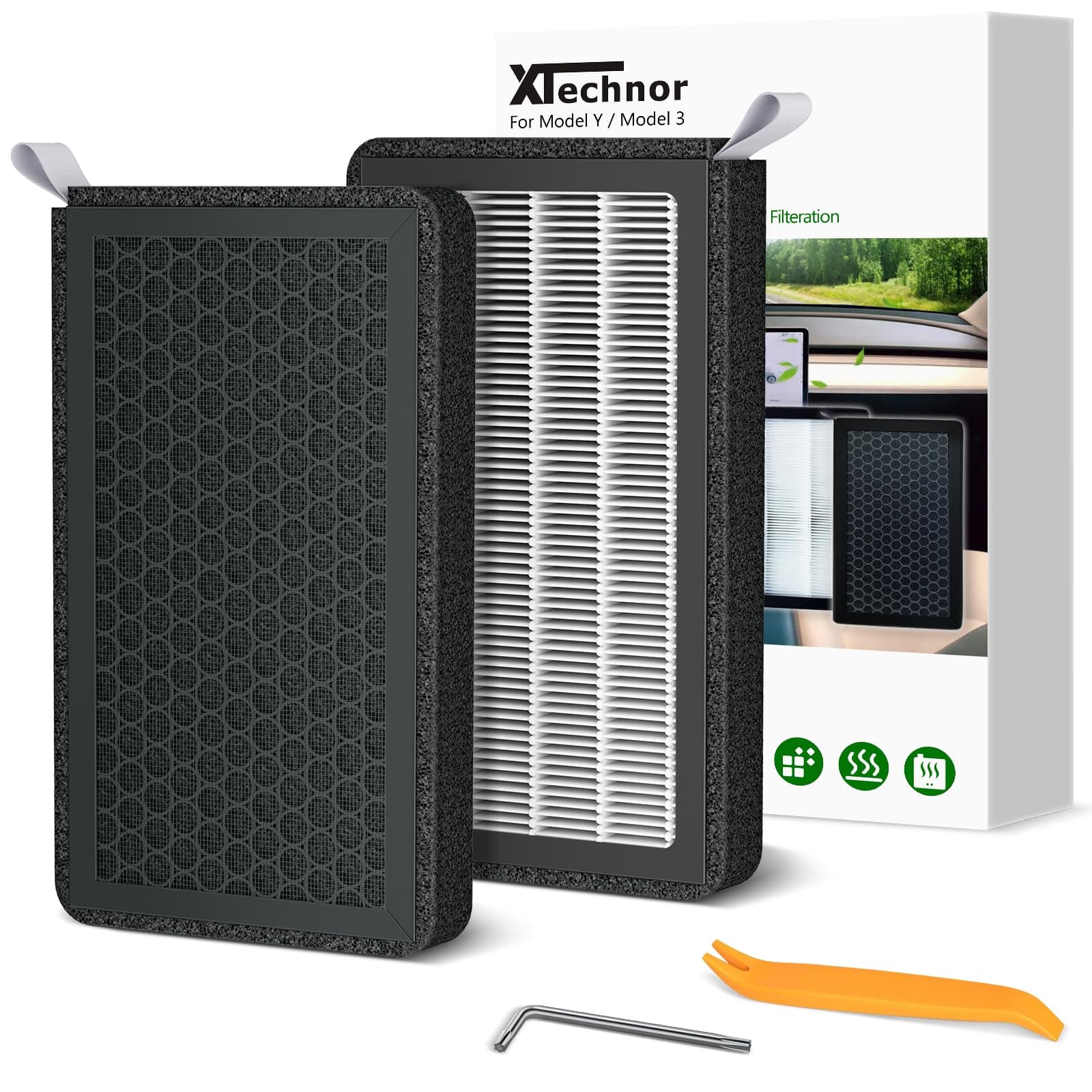
BreathePure
HEPA Cabin Air Filter (2-Pack)
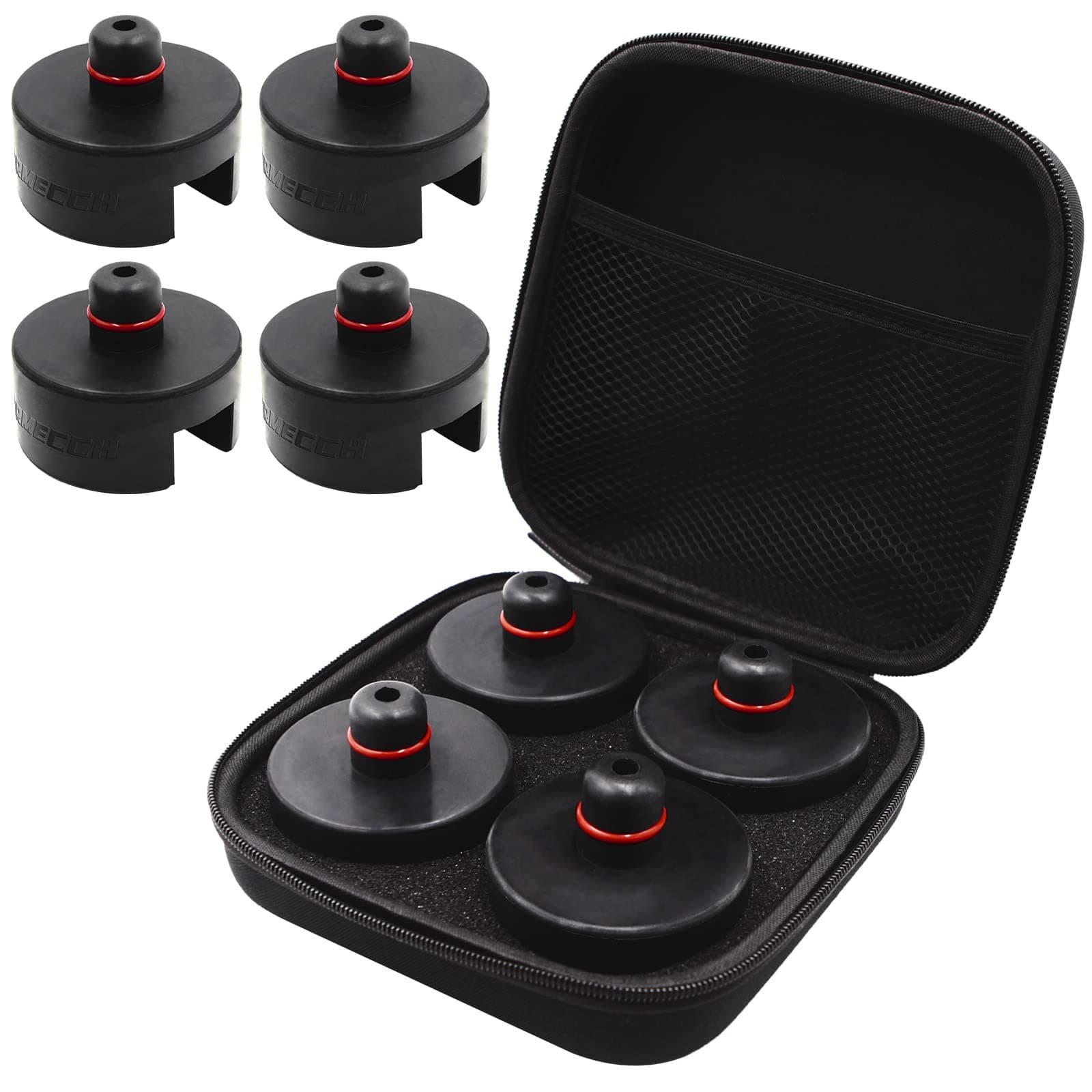
GuardPro
Jack Pad Lift Pucks (Set of 4)
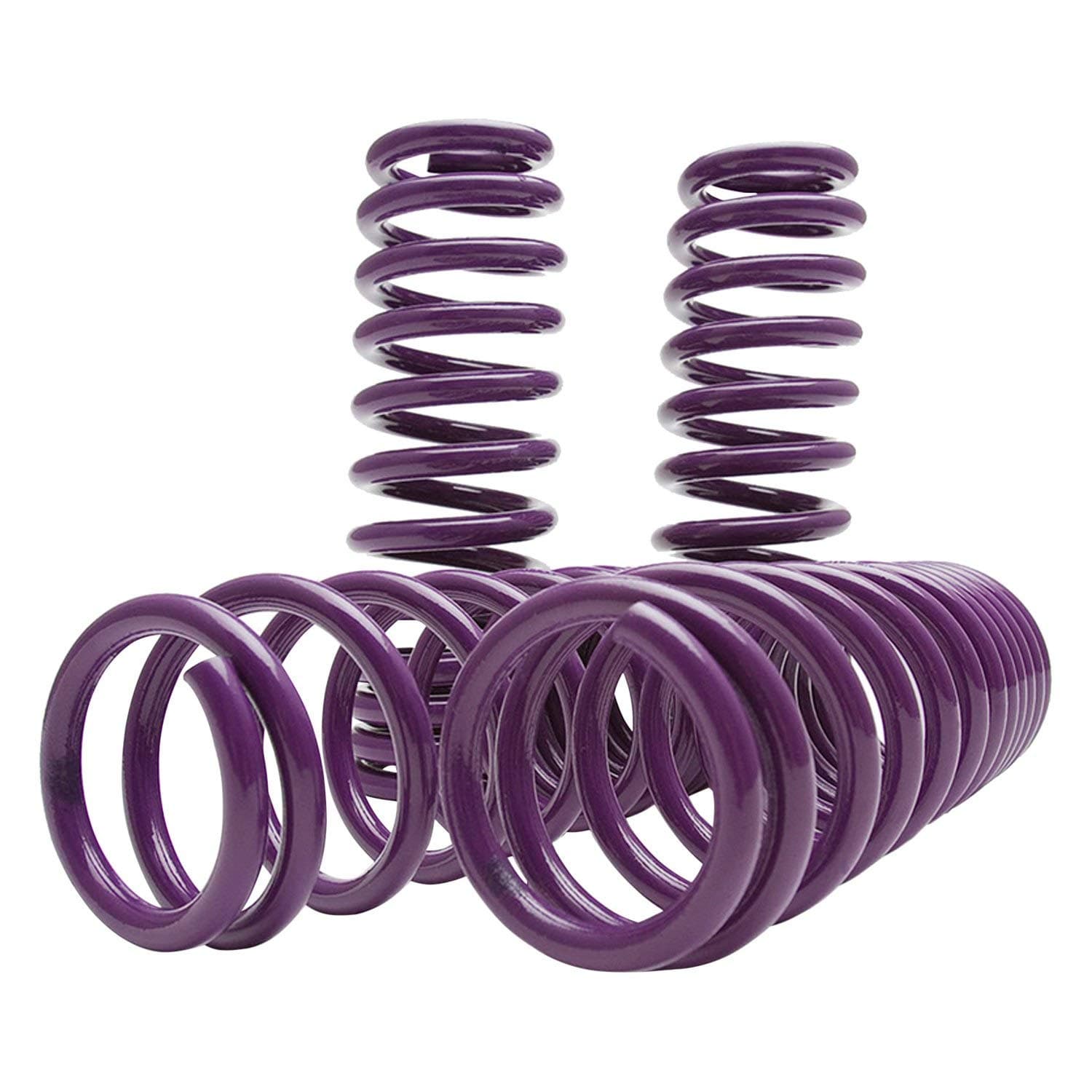
PerformancePlus
Sport Lowering Springs Kit
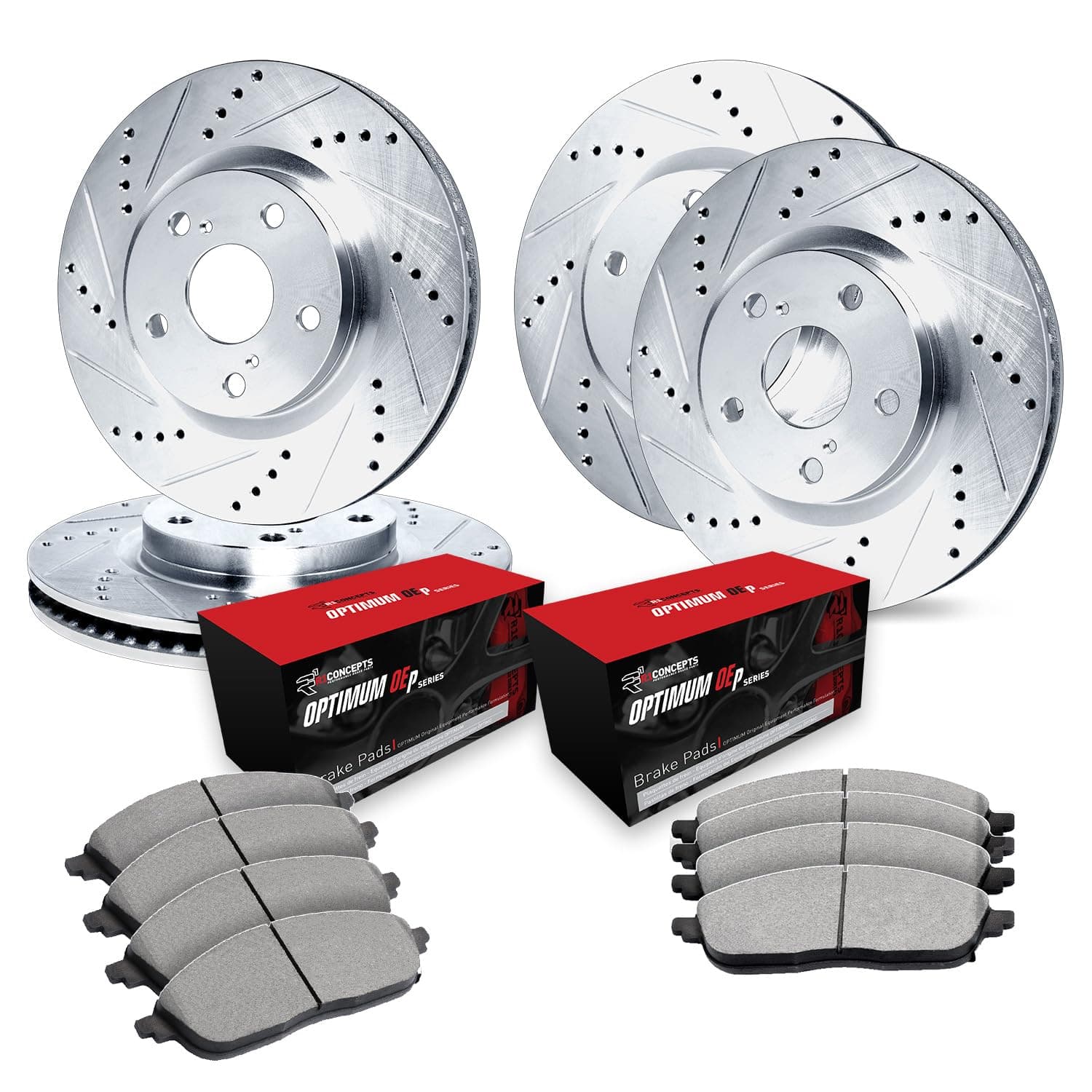
StopPower
Performance Brake Kit (Pads + Rotors)
EV parts deals & new guides
Optional EV parts deals and buying guides. Unsubscribe anytime.
By subscribing you agree to our Terms and Privacy Policy.